Digital Solutions for Intelligent Management of Territory and Public Services
The solutions developed by Lanit-Tercom Italia, thanks to enterprise AI implementation services, provide Public Administration with digital tools that transform territorial management, citizen services, and internal operations into structured, traceable processes based on verifiable data.
The integration of information systems, geospatial analysis, and artificial intelligence—typical of enterprise AI implementation services—allows entities to evolve from reactive management models to predictive ones, reducing operational costs and decision-making times.

Geospatial Analysis and Territorial Management
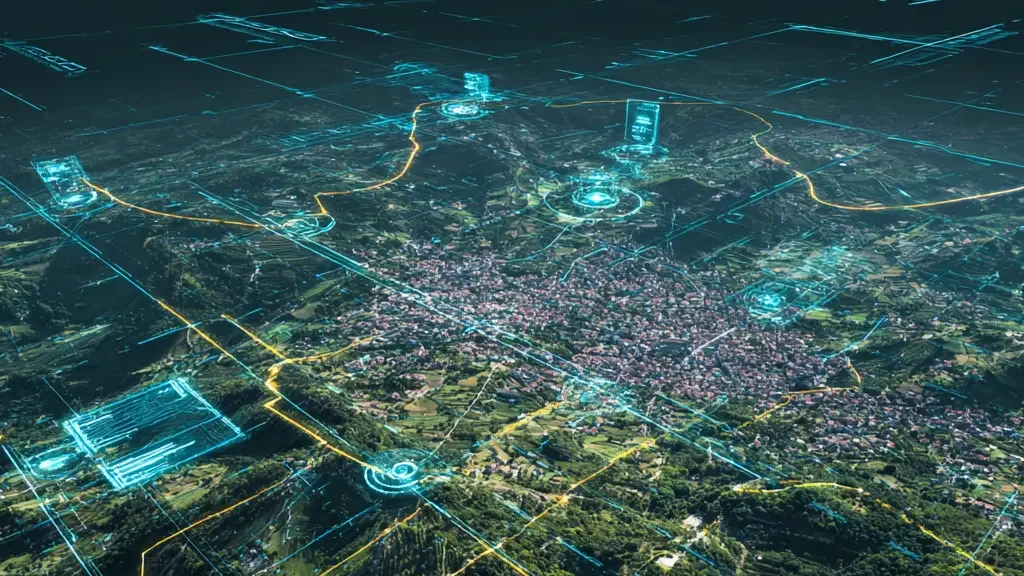
In territorial management, the company utilizes computer vision algorithms and GIS analysis within enterprise AI implementation services to automate and ensure continuous mapping of infrastructure, public assets, and urban components. This approach generates real-time updated inventories and allows for intervention planning based on objective criteria.
Predictive Maintenance of Infrastructures
The application of enterprise AI implementation services transforms infrastructure maintenance from a reactive activity into a predictive process. Critical issues and degradation phenomena are identified in advance, avoiding service interruptions, reducing waste, and improving the safety of public assets.


Service Governance and Operational Traceability
The architectures developed by LTI within the scope of enterprise AI implementation services allow for the unification and integration of data from offices, sensors, and legacy systems without disrupting operational activities. This ensures traceability, transparency, and control, reducing redundancies and administrative times while supporting performance verification.
Internal Training and Professional Development
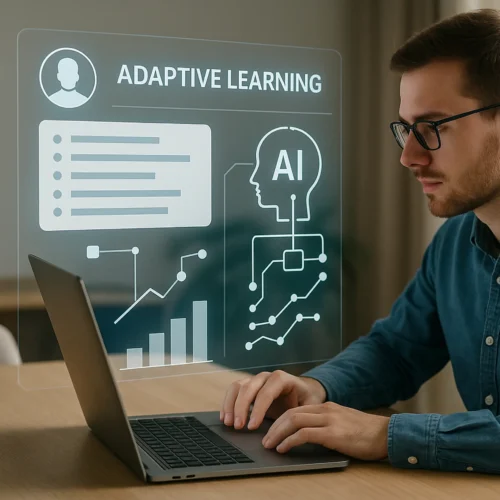
Lanit-Tercom Italia extends its enterprise AI implementation services to internal training and professional development for Public Administration. Integrated e-learning platforms adopt adaptive models and progress tracking systems to standardize skills and reduce training times, ensuring scalability and operational continuity.


Urban Safety and Resilience
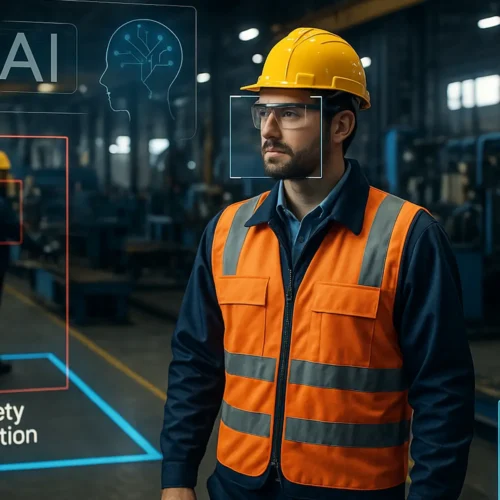
Regarding urban safety, the automated processing of territorial and environmental data allows for monitoring critical areas, identifying anomalies, and coordinating interventions based on real indicators. This strengthens resilience, decision-making timeliness, and the quality of information available to public decision-makers.
Overall Benefits: Efficiency and Reliability
The overall benefit is a more efficient and transparent Public Administration. The availability of reliable, up-to-date information in real-time fosters data-driven management that reduces structural costs, improves service quality, and operates with a level of precision consistent with the needs of modern urban infrastructure. LTI provides the technical foundation for a PA that functions according to measurable, integrated, and scalable logic.